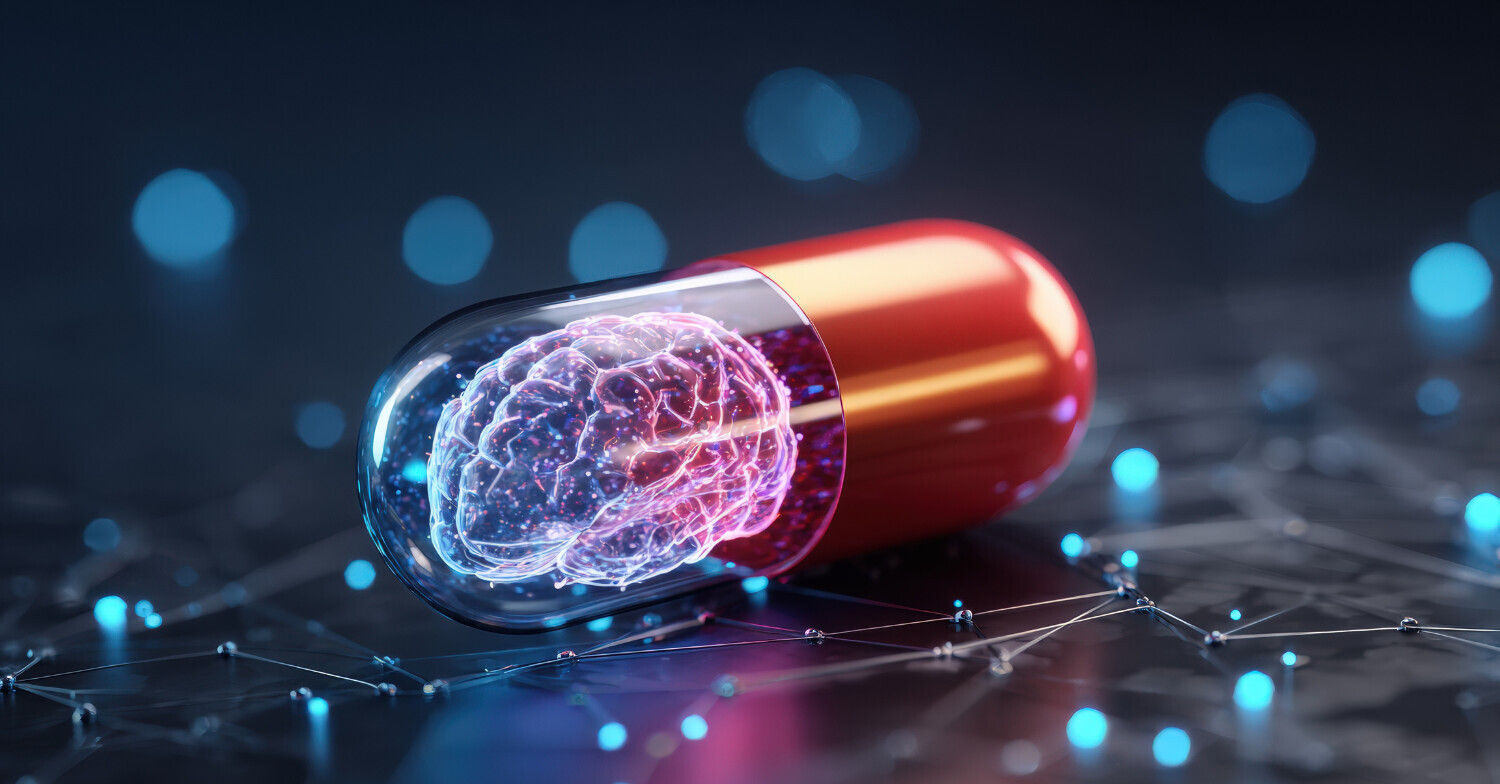
There are many myths about mental health care medications. Here are seven common myths about psychiatric medications — and the facts you need to know instead.
- “Psych meds are addictive.”
Most antidepressants, anti-anxiety medications, ADHD treatments, and the like are not addictive and don’t lead to substance abuse problems. They don’t cause a “high” or cravings. Some drugs (like benzodiazepines or certain stimulants) can cause dependence if they are misused, and they may require deprescription support. It’s important to talk with your prescriber about any concerns you may have about the medications you are considering. - “Medication will make me feel like a zombie.”
When doses and choices are right, medications usually reduce symptoms (like severe anxiety or depression) so people feel more like themselves, not less. Feeling flat or “zombie‑like” is a sign the regimen may need adjusting, not an inevitable effect. A comprehensive psych evaluation is a good way to avoid a prescription that doesn’t suit your needs, and professional medication management is a must. - “If I were stronger, I wouldn’t need meds.”
Mental health conditions involve your personal biology, your environment, and life stressors; willpower alone rarely fixes major depression, bipolar disorder, or psychosis. Choosing medication when appropriate is a form of problem‑solving, not weakness. - “Once you start, you’re on them for life.”
Some people do take long‑term maintenance medication, but many use meds for a time‑limited period, then taper under medical supervision if and when things are stable. Your treatment plan is individualized and can be revisited. Nothing is forever. Care plans are flexible and you have control. - “Psychiatric meds work instantly, like painkillers.”
Most antidepressants and mood stabilizers take weeks to reach full effect. Early side effects can show up before benefits, which is one reason follow‑up with your prescriber is important. - “They’re basically the same as recreational drugs.”
Recreational drugs are used for intoxication, often in unknown doses, with high risk of harm. Psychiatric medications are standardized, tested in clinical trials, and prescribed in carefully titrated doses to treat specific conditions. - “They’re just placebos and don’t really work.”
Many psychiatric medications have strong evidence from randomized clinical trials showing they reduce symptoms and relapse risk for conditions like major depression, schizophrenia, and bipolar disorder. They’re not magic bullets, but for many people they are a crucial part of recovery, especially when combined with therapy and lifestyle supports.
A lot of the negative ideas people have about psychiatric medications come from stories based on incomplete understanding of events, media portrayals from movies or TV shows, social media, or stigma in cultural attitudes about mental health.
At Cardigan Mental Health, we take the time to make sure you fully understand the ins and outs of medications that can help you cope with mental health concerns in your life. We also work with you to make sure the medications prescribed are working as expected and meeting your needs and goals.

A.B. Merritt
Contact Me